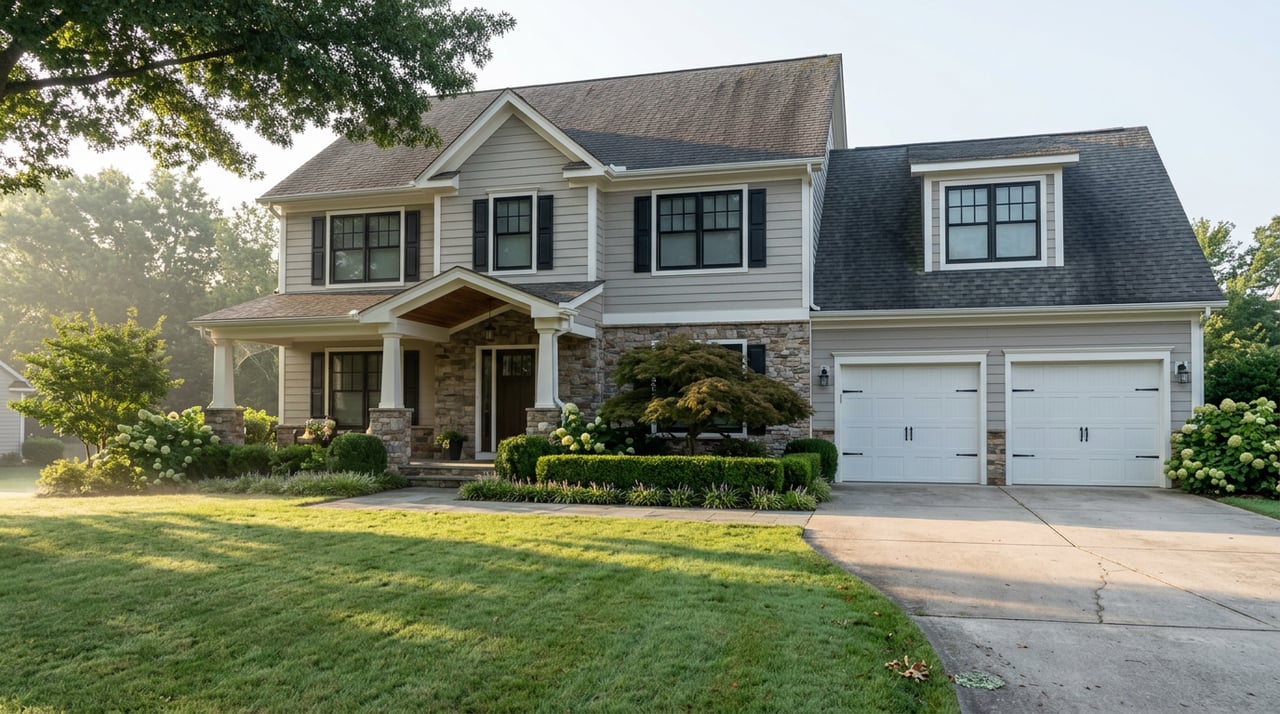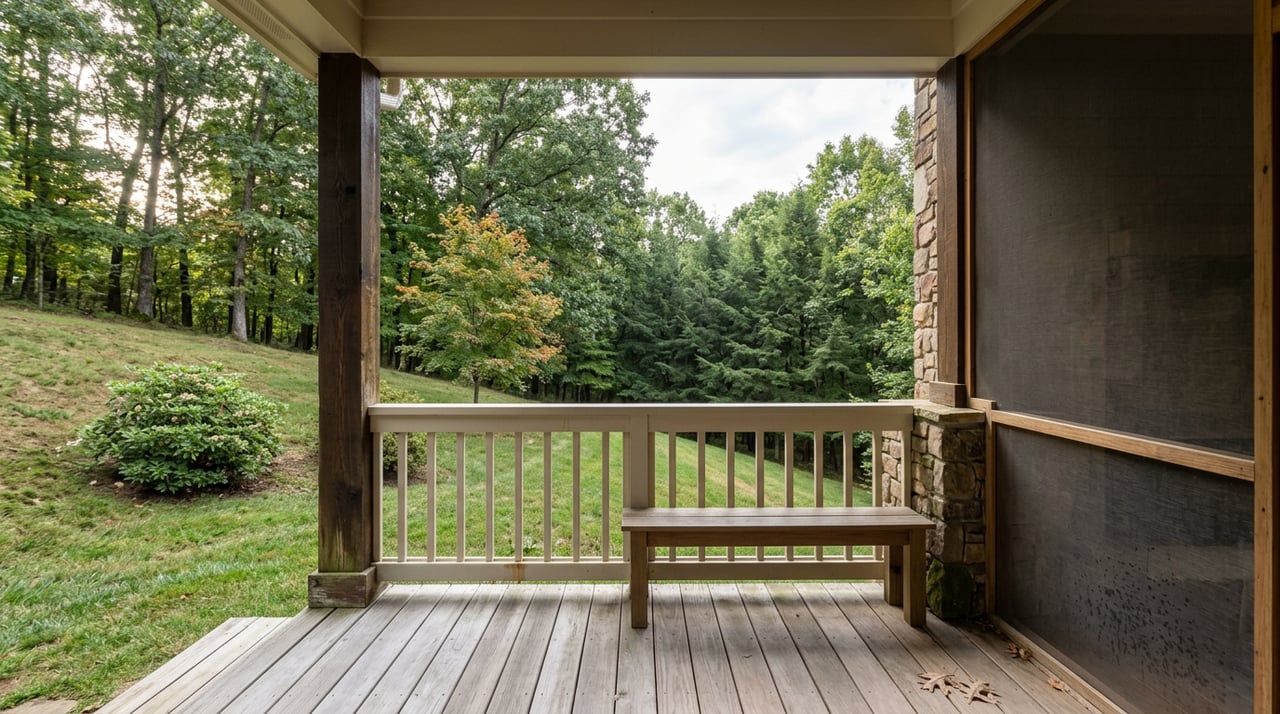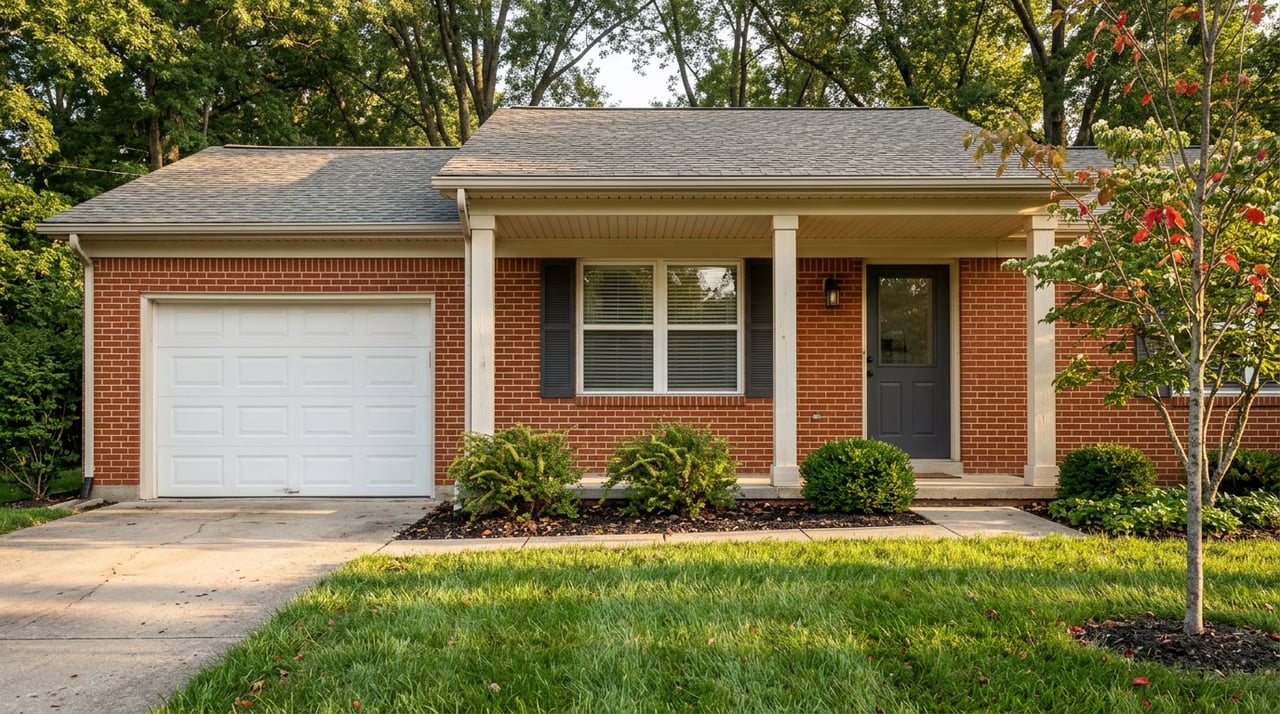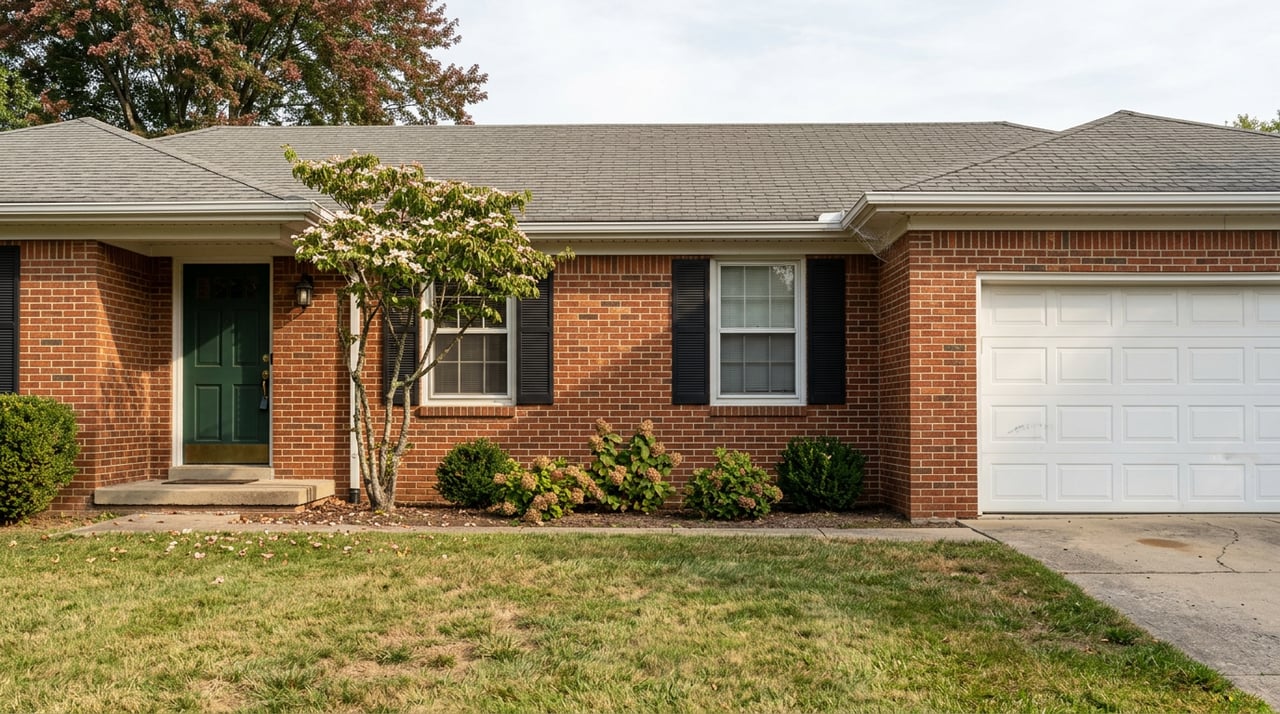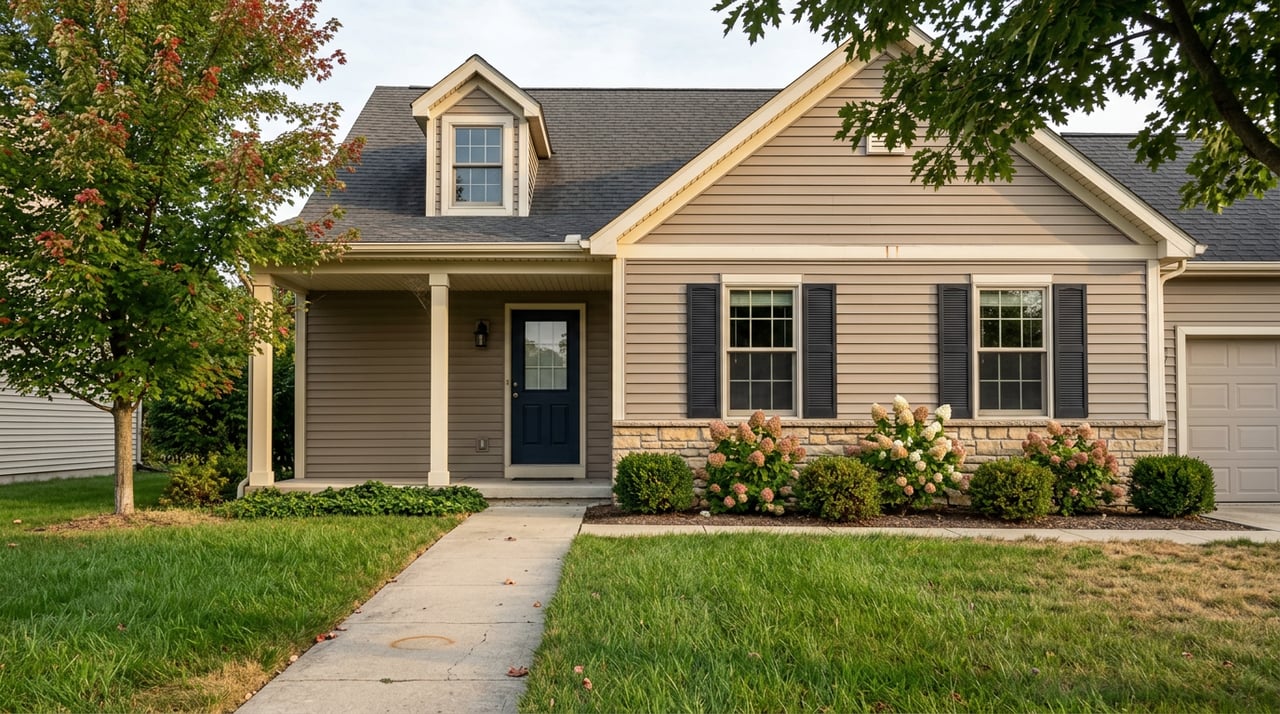
"We have 70 miles of greenways, a beautiful city, great shopping, great restaurants and some of the best schools in the country, but you heard today the thing that we lack is housing. If we get the housing stock, we'll get the people. They want to live here."
That's Oak Ridge City Manager Randy Hemann, speaking at a Department of Energy workforce roundtable focused on staffing the Office of Environmental Management's cleanup mission. It's a strange thing for a city manager to say out loud. Most cities with a hot job market talk about the jobs. Hemann is talking about the one thing standing between Oak Ridge and the people those jobs are supposed to attract.
He's not wrong to worry about it. At the Oak Ridge Chamber of Commerce's 2026 Housing Tour on June 26, city leadership laid out a number that explains the whole tension: Oak Ridge currently has roughly 36,000 jobs inside city limits, but a resident labor force of under 14,000. Most of the people who work in Oak Ridge don't live in Oak Ridge. And that gap is about to get wider before it gets narrower.
The Jobs Are Already Bigger Than the City
Oak Ridge's population sits at approximately 35,000, a number city leadership says it wants to grow, but carefully. That's a recent number, not a historical one. As recently as the 2010s, the city's population hovered around 20,000, largely flat since the explosive growth of the Manhattan Project era. The climb to today's figures has happened mostly in the past several years, and Hemann has said he's trying not to let momentum outrun planning.
The reason momentum is hard to control right now is the hiring pipeline behind it. City and Chamber officials expect more than 3,600 new employees to arrive in Oak Ridge over the next five to eight years, driven largely by nuclear-sector investment at Y-12 and the surrounding technology park. That's not a projection built on hope. Orano USA's Project IKE, a planned uranium enrichment facility, is one concrete piece of it: the company expects the finished plant to employ about 300 people, but before it's operational it needs between 800 and 1,000 construction workers over roughly five years of building. Orano's own leadership has been candid that the regional workforce doesn't exist yet to fill those roles, which is why the company is investing directly in training pipelines rather than waiting for applicants to show up.
Stack that hiring wave next to a resident labor force under 14,000, and you get a city where a meaningful share of the workforce commutes in from somewhere else every day. That commuter pattern isn't new. What's new is the scale of hiring aimed at closing it.
Three Places the Housing Response Is Actually Landing
Here's where the story gets useful for anyone actually shopping in Oak Ridge right now: the supply response to that hiring wave isn't spread evenly across the city. It's concentrated in a handful of named projects, each aimed at a different slice of the incoming population.
| Project | What It's For | Where It Stands |
|---|---|---|
| The Preserve at Clinch River | 1,400-acre master-planned community targeting roughly 3,000 total homes, from attached homes to custom lakefront builds, priced from roughly $350,000 to $875,000 | Actively building across multiple sub-neighborhoods, with new construction completing on a rolling basis through 2026 |
| Groves Park | 325 planned single-family homes plus a 240-unit multifamily complex, named for Manhattan Project General Leslie Groves with streets honoring figures like J. Robert Oppenheimer | In development on Oak Ridge's west side |
| Forest Creek Village | 90 build-to-suit lots backing the Oak Ridge Country Club golf course, homes starting in the $350s | Only a few lots remain |
| Wilson Street corridor | Mixed-use development including housing for Oak Ridge National Laboratory and University of Tennessee interns, a food truck park, and public gathering space across 6.5 acres | Planned, not a for-sale product |
| Scarboro workforce rentals | 104 new workforce rental units built by the Oak Ridge Housing Authority, part of a $56 million development that also renovates existing public housing | Construction underway, with units expected complete and occupied by the end of 2026 |
Look at what that table actually says. The largest for-sale response, The Preserve, starts at $350,000. Forest Creek Village starts in the same range. Groves Park doesn't have public pricing yet, but it's aimed at single-family ownership, not rentals. Meanwhile the two projects built specifically to house the workforce that can't yet afford or doesn't want ownership, the Wilson Street corridor and the Scarboro rentals, aren't for-sale inventory at all.
In other words, the new supply is bifurcated by design. If you're a construction worker on a five-year Project IKE contract, or an ORNL intern, the city is building you a place to rent. If you're a permanent hire buying into the area, the market is pointing you toward $350,000 and up in a master-planned community. There isn't much being built right now in between, and that matters if your household budget sits below that new-construction floor.
Why the Median Price Argues With Itself
This is where Oak Ridge's price data gets genuinely confusing if you're only looking at one source. Over the three months ending May 2026, one national tracker reported Oak Ridge's median sale price at $395,000, up 14.4% year over year. Another tracker, looking at August 2026 list prices, showed a median of $385,000, down 3% from a year earlier. Both numbers can be accurate. They're measuring different things at different points in the pipeline, closed sales versus fresh listings, and different months.
A local six-month snapshot through early September 2026 lands closer to the first story: 374 tracked closings with a median of $399,950, and a middle half of sales ranging from $275,000 to $485,000. That spread is the real story, more than the median itself. A city where 65% of the housing stock was built before 1979, much of it the smaller original homes from the city's founding era, is now averaging its sale prices against a wave of new construction that starts at $350,000. The blended median moves fast because it's tracking two different products at once: an older, smaller, cheaper housing stock, and a newer, larger, pricier one arriving to meet incoming workers.
That same six-month window showed 48 active listings against 10 pending sales, a pending-to-active ratio of roughly 0.21, which by conventional yardsticks reads as a balanced market rather than a seller's market. Homes are also moving fast once priced right: a median of 14 days from listing to contract, based on tracked closings through early September 2026. Put together, that's a market where the headline price is climbing because of what's being built, not because every existing home is suddenly worth more.
What This Means If You're Watching From Outside
If you're relocating for one of the incoming nuclear-sector roles, or comparing Oak Ridge against other East Tennessee towns, the practical takeaway isn't "the market is hot" or "the market is cooling." It's that you're choosing between two different markets wearing one zip code.
If you want new construction near the employers driving this growth, expect a floor close to $350,000, and expect to be choosing among a short list of named communities rather than a broad citywide inventory. If you're comfortable with an older home, likely one of the smaller houses from Oak Ridge's earlier building eras, the existing market is still moving quickly for well-priced listings, but it isn't pulling the same price growth the new-construction segment is generating. And if you're not ready to buy at all, the Wilson Street corridor and the Scarboro rental units represent the closest thing the city has built specifically for workers still finding their footing.
None of this is a reason to wait or to rush. It's a reason to know which segment of Oak Ridge's market you're actually shopping in before you start comparing prices against a single citywide number that's quietly averaging two very different housing products.
Two Questions Worth Untangling
Does the jobs boom mean every Oak Ridge neighborhood is getting more expensive at the same rate? No. The price growth is concentrated in the new-construction tier represented by communities like The Preserve and Forest Creek Village. Older housing stock is still selling, often quickly, but the citywide median is being pulled by what's newly built more than by broad appreciation across every existing home.
Is now a good time to buy given the balanced market signals? A pending-to-active ratio near 0.21, as tracked through early September 2026, points to a market with room for buyers to compare options rather than a bidding-war environment. That doesn't mean prices are flat. It means the negotiating dynamic and the price trajectory are two separate questions, and the incoming workforce numbers suggest the second one keeps trending upward even if the first one stays calm for now.
If you're trying to figure out where you actually fit in Oak Ridge's shifting market, whether that's a new build near the employers driving this growth or an older home in one of the city's established neighborhoods, The Blankinship Group can walk you through what's currently available and what it's likely to cost. Request a Confidential Consultation & Free Home Valuation to start with a clear read on where your budget actually lands in this market.