Thinking about buying land near Livingston and building your own place? It can feel simple at first glance, but the wrong parcel can create delays, added costs, and frustrating surprises before construction even starts. If you understand the local approval path, access issues, utility setup, and septic requirements early, you can make a much more confident decision. Let’s dive in.
Start With Jurisdiction First
Before you price house plans or call a builder, find out whether the property is inside the Livingston city limits or in unincorporated Overton County. That single detail can change the approval process in a big way.
In unincorporated Overton County, the county states that it does not have building codes or zoning restrictions outside the Livingston city limits, and building permits are not required through the county. Inside the City of Livingston, you should expect local zoning review, permits, and city contacts to be part of the process.
That means your first screening step should be simple: confirm the parcel location and ask which rules apply. A lot that looks similar on paper may have a very different path to build depending on which side of that line it falls.
Why Jurisdiction Changes Your Build Plan
If your land is inside Livingston, the city maintains a zoning map, municipal code, permit portal, and local departments that handle approvals. The city also lists permits for work such as building, plumbing, decks, mechanical work, roofing, demolition, retaining walls, and signs.
If your land is outside city limits, the process usually shifts away from local zoning review and more toward practical site questions. In many cases, the biggest issues become road access, utility availability, septic approval, and any state-level permits tied to the land itself.
That is why land buyers should treat a parcel as a project site, not just a piece of dirt. The real question is not only “Can I buy it?” but also “What will it take to build on it?”
Check Access Before You Fall In Love
A beautiful tract does not help much if getting in and out is difficult or expensive. Legal and physical access should be one of your earliest due diligence items.
If the property will use a driveway that connects to a state highway right-of-way, Tennessee requires a state highway entrance permit through TDOT. TDOT also notes that when more than one jurisdiction applies, you must satisfy each authority, and the more restrictive rules control.
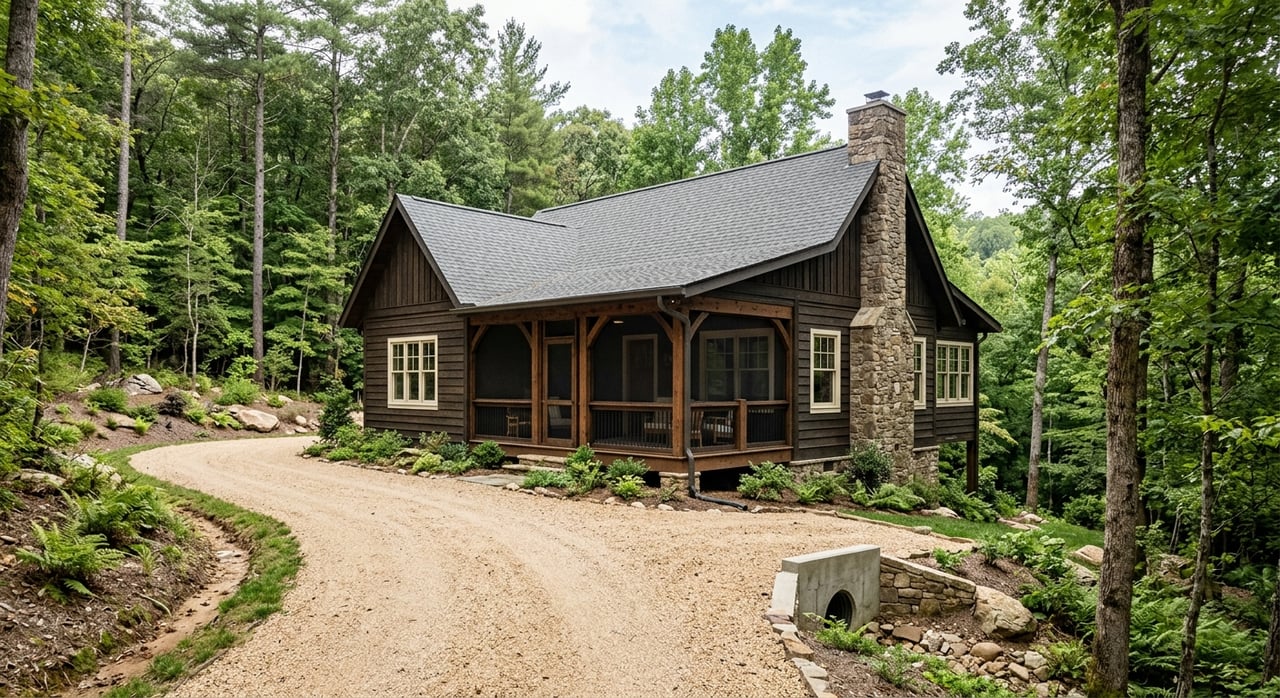
That matters because a driveway is not always just a driveway. Depending on the location, access approval may involve drainage, grading, culvert work, or additional documentation before you ever pour a foundation.
Access Questions To Ask Early
- Does the parcel have clear legal access?
- Will your driveway connect to a state highway right-of-way?
- Will a culvert, grading plan, or drainage work be needed?
- Is the terrain suitable for safe entry in all seasons?
- Are there any easements that affect where the driveway can go?
If the answer to any of these is unclear, it is worth slowing down and verifying the details before you commit.
Utilities Can Shape The Total Budget
Utility access is one of the biggest cost variables for raw land near Livingston. A parcel may seem affordable upfront, but extending service can change the full project budget quickly.
The City of Livingston lists electric service through Upper Cumberland Electric Membership Corporation, along with local water, sewer, and gas departments. UCEMC serves Overton County and has a Livingston district office for new service setup.
For new electric service, UCEMC says the process starts with a 911 address, an engineering load sheet, proof of ownership, any needed right-of-way easements, and an aid-of-construction charge. UCEMC also states that state electrical inspection must pass before a meter is installed.
Utility Items To Confirm
- Is public water available, or will another solution be needed?
- Is sewer available, or will the property need septic approval?
- How far is electric service from the build site?
- Will utility easements be required?
- Are aid-of-construction charges likely for electric extension?
- Is a 911 address already assigned?
These details may not be flashy, but they often affect timing and cost more than buyers expect.
Septic Comes Before Dirt Work
For many Livingston-area parcels outside city sewer service, septic feasibility is a major checkpoint. Tennessee requires a septic system construction permit for installation, and TDEC says that permit should always be obtained before starting dirt work or construction of any building, including the building pad.
That point is easy to overlook when you are eager to start clearing land. But if the septic path is uncertain, moving dirt too early can create real problems.
For alternative septic systems, TDEC says an extra-high-intensity soils map from a Tennessee-licensed soils consultant is required before evaluation. If you are comparing multiple parcels, one tract with straightforward septic conditions may be far more practical than another that needs additional technical work.
Why Septic Timing Matters
TDEC also notes that before the electrical inspector can process a request for electrical service, the inspector must have written notice that the proposed house is served by public sewer, a septic permit has been applied for, or an existing septic system will be used. In other words, septic paperwork can affect your electric timeline early in the process.
That makes septic more than just a back-end construction detail. It can influence both your building design and your utility setup from the beginning.
Planning To Split Land Later?
If you are buying acreage near Livingston with the idea of dividing it in the future, make sure you understand how septic-related subdivision review may apply. TDEC says a subdivision evaluation is required if land is divided into two or more lots, sites, or divisions for future construction where septic will be used.
There is an important exception. TDEC states that divisions into tracts of 5 acres or larger are excluded from that specific subdivision definition.
That does not mean every larger split is simple, but it does mean future planning matters. If your long-term goal includes family land, investment strategy, or resale potential, ask those questions before purchase rather than after closing.
Streams, Wet Areas, And Sensitive Site Features
Some parcels look buildable until you factor in streams, wet ground, creek crossings, or low areas that need fill. If the site affects streams, wetlands, or other waters, TDEC says an Aquatic Resource Alteration Permit or Section 401 certification may be required, and some dredge or fill work may also trigger additional permitting.
This can matter for utility crossings, road building, drainage changes, and significant fill projects. A creek-bottom setting may be beautiful, but it can also add complexity to site work.
If a property has obvious water features or low-lying areas, make that part of your due diligence list right away. It is much easier to budget for known site conditions than to discover them after design work begins.
Budget For The Land You Can Actually Build On
When you are comparing parcels near Livingston, focus on total project cost, not just purchase price. The most important budget variables often include:
- Clearing
- Grading
- Driveway installation
- Culvert work
- Septic feasibility and installation
- Electric service extension
- Easements
- Drainage improvements
- Water-resource issues
A lower-priced tract may end up costing more if it needs major driveway work, electric extension, or complex septic planning. A slightly more expensive parcel with easier access and utility options can sometimes be the better value.
Don’t Forget Site Prep Basics
Before any digging begins, the City of Livingston reminds property owners to call 811. That step helps identify underground utility lines before excavation starts.
If you plan to clear brush and burn debris, Tennessee requires a burn permit from October 15 through May 15 for debris pile fires and prescribed fires, and local rules can be more restrictive. That can affect your cleanup schedule and site prep budget.
Small details like these often shape the real timeline. Good planning on the front end usually leads to fewer surprises once work begins.
A Smart Checklist For Land Near Livingston
If you want a simple way to evaluate a build site, start with these five checkpoints:
- Parcel location: Is it inside Livingston or in unincorporated Overton County?
- Legal access: Can you reach the property clearly and safely, and will a state access permit be needed?
- Utility availability: What is available now, and what will need to be extended or approved?
- Septic feasibility: Can the site support the system you need before dirt work begins?
- Water impacts: Are there streams, wetlands, or drainage issues that could affect design or permits?
This checklist can help you compare lots more clearly and avoid buying land based on appearance alone.
Why Local Guidance Matters
Land purchases can feel deceptively simple because there is no house to inspect room by room. In reality, acreage often requires more up-front investigation than an existing home.
That is especially true if you are relocating, buying from out of town, or trying to balance privacy, views, utility access, and future value. A calm, organized review of the parcel can protect both your budget and your plans.
If you are planning to build on land near Livingston, the best first move is to verify the lot’s jurisdiction, access path, utility options, and septic feasibility before you get too far down the road. For clear, concierge-style guidance on land and acreage across Middle and East Tennessee, connect with April Blankinship.
FAQs
What should you check first when buying land near Livingston TN?
- First, confirm whether the property is inside the Livingston city limits or in unincorporated Overton County, because that affects zoning, permits, and the overall build path.
Do you need a building permit in unincorporated Overton County TN?
- Overton County states that outside the Livingston city limits it does not require building permits and does not have building codes or zoning restrictions.
Do Livingston TN city lots have zoning and permit rules?
- Yes. Property inside the City of Livingston should be checked for local zoning, permit review, and city approval requirements through the city’s permit system and departments.
Why does septic approval matter before building near Livingston TN?
- TDEC says a septic system construction permit should be obtained before starting dirt work or building construction, including the building pad, and septic paperwork can also affect the electrical service process.
When do you need a driveway permit for land near Livingston TN?
- If your driveway or entrance will connect to a state highway right-of-way, TDOT requires a state highway entrance permit, and additional jurisdictional rules may also apply.
What utility questions should you ask before building on land near Livingston TN?
- Ask about electric availability, public water or sewer access, the need for easements, possible aid-of-construction charges, and whether a 911 address has already been assigned.
Can streams or wetlands affect a build site near Livingston TN?
- Yes. If the property touches streams, wetlands, or other waters, TDEC says certain site work may require additional state approvals, especially for crossings, fill, or drainage changes.
What if you want to divide acreage near Livingston TN later?
- TDEC says a subdivision evaluation is required when land is divided into two or more future building sites using septic, though divisions into tracts of 5 acres or larger are excluded from that specific subdivision definition.
Do you need to call before digging on land near Livingston TN?
- Yes. The City of Livingston reminds property owners to call 811 before digging so underground utility lines can be identified.