If your workday happens on a laptop, where you live can shape more than your commute. It can affect your pace, your daily stress, and how easily you balance meetings with real life. If you are looking for a place that feels connected without feeling crowded, Livingston, Tennessee deserves a closer look. Here is what makes Livingston appealing for remote-friendly small-town living and what you should keep in mind as you explore the area.
Why Livingston works for remote living
Livingston is the county seat of Overton County, with 3,905 residents in the 2020 census. The broader county had 22,576 residents in 2024, according to the county profile. That gives you a small-town setting with a wider local service area around it.
The city places Livingston in a valley on the Highland Rim, about 20 miles northeast of Cookeville and roughly halfway between Nashville and Knoxville. For many buyers, that is a useful middle ground. You can enjoy a quieter home base while still staying within reach of larger regional destinations.
TNECD also lists Interstate 40 about 3 miles away, Nashville International Airport about 93 miles away, and Livingston Municipal Airport as the nearest general aviation airport. In practical terms, that means day-to-day life can stay simple while regional travel remains manageable.
Small-town pace with practical access
One of the biggest draws of Livingston is how compact everyday life can feel. The downtown area centers on the historic Courthouse Square, where the city highlights brick sidewalks, Victorian architecture, shops, restaurants, antique shops, clothing stores, art galleries, and professional services.
If you work from home, that kind of layout matters. It can make lunch breaks, errands, and casual meetups easier to fit into your day without long drives or complicated planning. Instead of spending extra time in traffic, you may be able to keep your routine closer to home.
The county profile also points to a 25.9-minute mean travel time to work. Even if you work remotely most days, easy local navigation still adds value. It can make appointments, grocery runs, and after-work activities feel less rushed.
Internet options matter most
For remote workers, broadband is often the first question. Twin Lakes says it is a Tennessee broadband cooperative with a 100 percent fiber network serving more than 39,000 connections in the Upper Cumberland, and it lists Livingston among the communities it serves. Xfinity also says it provides internet service in the Livingston area.
That is encouraging, but there is an important detail to remember. Internet availability is address-specific, so you will want to verify service at any property you are seriously considering. A home just outside one service pocket may have different options than a home closer to town.
When you are house hunting, it helps to treat internet checks as part of your core due diligence. If your job depends on video calls, uploads, or secure remote access, confirming available service at the address can save you headaches later.
Backup workspaces add flexibility
Even if you have great home internet, it is helpful to know you have a backup plan. The Livingston Public Library offers private study rooms, one-on-one tech assistance, printing, copying, faxing, scanning, mobile hotspots in its Library of Things, online courses, and business-and-finance databases.
That gives remote workers more flexibility than you might expect in a small town. If you need a quiet place for focused work, a temporary hotspot, or basic office support, the library can fill an important gap.
This also adds resilience to your routine. A home repair, service interruption, or noisy day does not have to derail your schedule if you have another local option nearby.
Everyday amenities support daily life
A remote-friendly town needs more than internet. It also needs the basics that make life run smoothly, and Livingston offers a range of local anchors the city highlights, including Livingston Regional Hospital, the Millard Oakley Public Library, Livingston Farmer’s Market, Overton County Heritage Museum, Joe L. Evins Community Center, Livingston Municipal Airport, and Hidden Valley Golf Course.
The city also promotes festivals, farmers markets, concerts, and community gatherings throughout the year. For buyers who are relocating, that matters because local events can help you settle in and get a feel for the rhythm of the community.
Instead of living in a place that only feels active on weekends, you may find a more steady sense of local life. That can be especially helpful if you are moving from a larger market and want a softer landing.
Parks and recreation fit the work-from-home lifestyle
One overlooked benefit of remote work is the chance to shape your own breaks. In Livingston, local recreation can make those breaks more rewarding. Central Park includes a playground, splash pad, fitness equipment, a walking trail, an auditorium stage, and rentable park space.
Livingston City Park adds baseball and softball fields, pickleball courts, and a swimming pool. These kinds of amenities can make it easier to build movement and downtime into your day. A short walk, a quick park visit, or an evening activity can become part of a healthier routine.
If you have children, these local spaces can also help support family life without requiring long drives. That convenience can be a real quality-of-life advantage when you are balancing work responsibilities at home.
Nature is close by
Livingston’s setting also stands out for buyers who want easier access to the outdoors. The city says Standing Stone State Park is just minutes away, with trails, waterfalls, wildlife, fishing, boating, camping, and picnicking.
Overton County adds that the park covers almost 11,000 acres and includes a recreation center, basketball, softball, archery, and scenic wildflowers. That gives you more than a pretty backdrop. It gives you a nearby outlet for hiking, fresh air, and weekend recreation.
The county also notes that Dale Hollow Lake has Livingston Boat Dock access, more than 12 marinas, and a 620-mile shoreline. If you are drawn to a work-near-water or outdoor-focused lifestyle, that is a meaningful part of the area’s appeal.
Housing value may stretch further here
For many remote buyers, one of the biggest reasons to consider a smaller town is value. TNECD lists a 78.9 percent homeownership rate in Overton County and a median home value of $156,000.
Those numbers suggest a market where ownership is common and costs may be more approachable than in many larger regional metros. Of course, pricing will vary by property type, condition, acreage, and location, but the county-level figures help frame Livingston as a place where your budget may go further.
That can open up more options in your search. Depending on your goals, you may be able to prioritize space, a quieter setting, or proximity to outdoor amenities without giving up local essentials.
Schools and local learning options
If education access is part of your decision, Overton County Schools lists elementary campuses, Livingston Middle School, Livingston Academy, and a virtual program on its official site. The city’s community page also points to TCAT Livingston and Vol State Community College.
The key takeaway is simple. Livingston offers local K-12 options along with nearby postsecondary pathways, while still keeping its small-town identity.
For relocating households, it can be helpful to understand what is available close to home as you compare communities. A town does not have to be large to offer practical day-to-day support.
Healthcare is an important part of the picture
Healthcare access is another practical factor that often becomes more important after you move. Livingston Regional Hospital says it is a 114-bed hospital with 24-hour emergency services, inpatient and outpatient rehabilitation, a Level II-A neonatal nursery, and a 16-bed gero-psych unit.
The hospital says it serves a five-county area in central Tennessee and southern Kentucky. TNECD also lists 22 doctors in Overton County. Together, those details show that Livingston offers more local healthcare infrastructure than some buyers may expect from a town of its size.
That does not answer every personal healthcare question, but it does help paint a clearer picture of everyday support in the area. For many households, that is a meaningful part of choosing where to live.
What to verify before you buy
Remote-friendly living is not only about the town. It is also about the specific property. Before you make an offer in Livingston, focus on the details that can affect your daily routine.
Consider checking:
- Internet provider availability at the exact address
- Cell service at the property
- Drive time to groceries, medical care, and recurring appointments
- Access to parks, downtown, or lake recreation based on your lifestyle priorities
- Home layout for a dedicated office or quiet work area
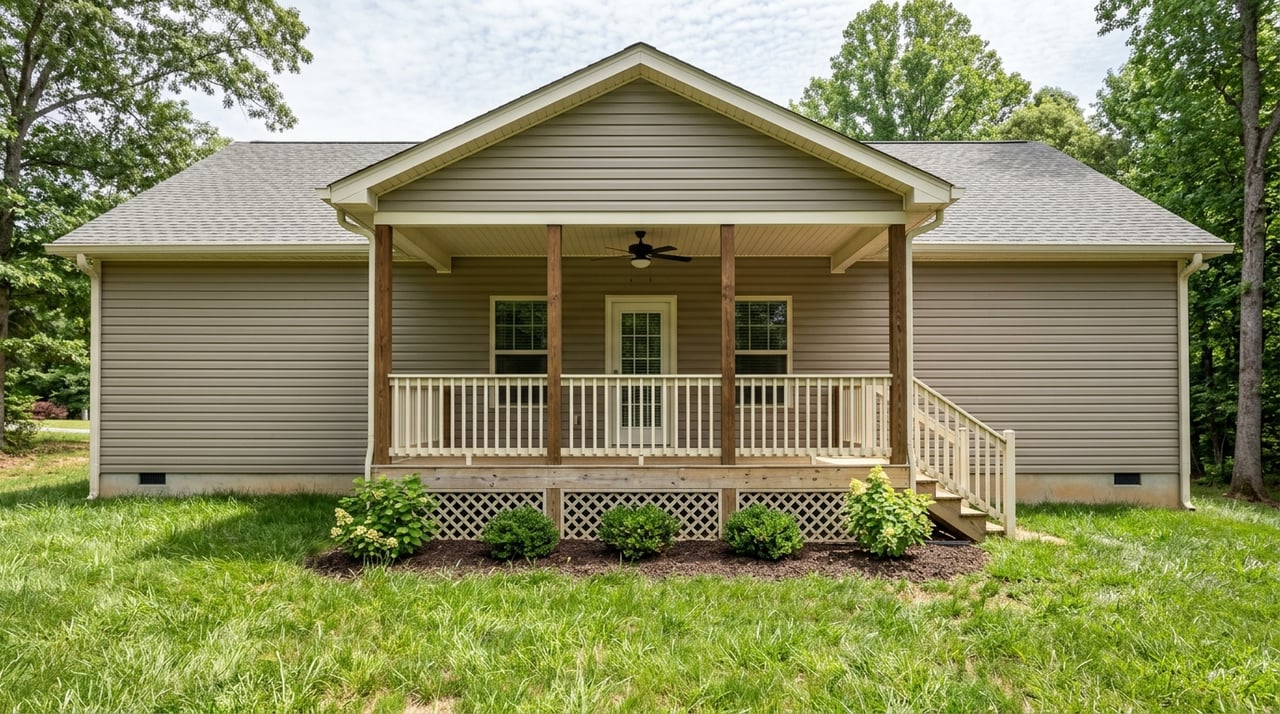
- Property features that may affect maintenance, especially if you want lower day-to-day upkeep
A thoughtful search can help you find not just a home, but a setup that truly fits how you live and work.
Why Livingston stands out
Livingston is not trying to be a major metro, and that is part of its appeal. It offers a smaller-scale lifestyle with useful infrastructure, local amenities, and access to nature that can support remote work in a realistic way.
You have a downtown core, local parks, library resources, healthcare access, and broadband options to explore. You also have regional connections through I-40 and a location that keeps you within reach of larger Tennessee hubs.
If you are considering a move and want a quieter pace without stepping too far away from everyday convenience, Livingston may be worth a serious look. If you want guidance as you compare homes, land, or relocation options in Middle and East Tennessee, April Blankinship can help you navigate the process with clear, concierge-level support.
FAQs
Is Livingston, Tennessee a good place for remote workers?
- Livingston offers several features remote workers often look for, including broadband service options in the area, library work resources, a compact downtown, and easy access to daily amenities and outdoor recreation.
What internet options are available in Livingston, Tennessee?
- Twin Lakes lists Livingston among the communities it serves with its fiber network, and Xfinity says it provides internet service in the area, but you should always verify service at the exact property address.
Does Livingston, Tennessee have places to work outside the home?
- Yes. The Livingston Public Library offers private study rooms, tech help, printing, scanning, faxing, copying, mobile hotspots, and other useful resources for remote work backup needs.
What outdoor amenities are near Livingston, Tennessee?
- Livingston offers local parks, and it is also close to Standing Stone State Park and Dale Hollow Lake, which support activities like walking, fishing, boating, camping, and other outdoor recreation.
Is Livingston, Tennessee affordable for homebuyers?
- Overton County’s county profile lists a median home value of $156,000 and a 78.9 percent homeownership rate, which suggests a market where ownership may be more attainable than in many larger areas.
What local services does Livingston, Tennessee offer?
- The city highlights services and amenities such as Livingston Regional Hospital, the public library, farmer’s market, museum, community center, airport, and downtown professional services.