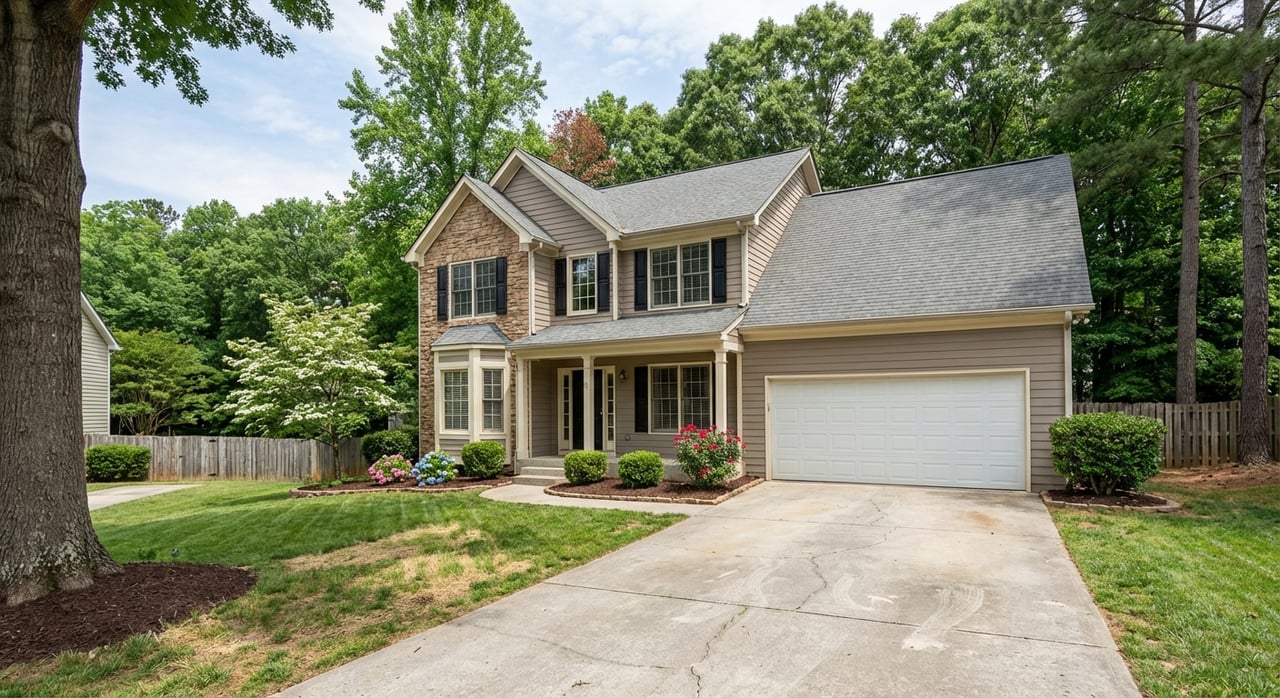
The City of Maryville mails its property tax notices in mid to late August. In a family that lost a parent this year, that envelope may still be in a stack of mail on the kitchen counter, addressed to someone who can no longer open it. Under Tennessee law the official tax roll lists the owner as of January 1 of the tax year, so the name on the notice is often the name of the person who died.
That notice is half of what the house owes. If the property sits inside Maryville city limits, the city says taxes for both the city and Blount County are due on it. The two bills come from different offices, run on different calendars, and follow different rules for seniors. For an heir trying to figure out what the house costs to hold while the estate is settled, the county figure in a parent's files may be the least reliable number in the folder.
Two bills, two clocks
The city's own billing page says plainly that "Maryville tax due/penalty dates do not coincide with other jurisdictions."
City of Maryville | Blount County | |
|---|---|---|
Collected by | City of Maryville | Blount County Trustee |
Payable | September 1 through November 30 | October 1 through February 28 |
Delinquent | December 1 | March 1 |
Rate shown for tax year 2026 | $1.36 per $100 of assessed value | $1.29 per $100, as presented for the June 18 final vote |
Senior tax freeze available | No | Yes, adopted 2007 |
The Tennessee Comptroller's list of participating jurisdictions shows Blount County adopting the Property Tax Freeze in 2007, with a 2026 income limit of $63,470. The city tax freeze list does not include Maryville. A parent who qualified had a frozen county bill and a city bill that rose and fell with assessments and rates every year.
The city bill comes due first, and its interest cannot be waived
This post publishes on a Thursday in mid-November, so the city's window has about two and a half weeks left. According to the City of Maryville's property tax page, city bills become delinquent on December 1 and accrue interest at 2.33% per month from then until paid in full. The same page says penalties "are set by City Council and cannot be waived as set forth in the Maryville Municipal Code."
The city also states that "Failure to receive a tax notice does not permit nonpayment of taxes." That matters when a notice went to a parent's old address or got lost in an estate's mail. The city asks anyone who did not receive a notice to call Customer Service at (865) 273-3456. It also asks owners to tell the Blount County Property Assessor at (865) 273-5850 when a mailing address changes. One small local detail trips people up: the city asks that property tax and utility bills not be paid in the same check or bank transaction. If they are, the tax portion is delayed and returned.
Here is the scale, using the Daily Times' own illustration of a home appraised at $300,000. At Tennessee's 25% residential assessment ratio, the assessed value is $75,000. At the city's $1.36 rate, that works out to a city bill of about $1,020, and one month past December 1 adds roughly $23.77 in interest. Because the city portion was never frozen, it is also the clearest picture of what full taxation on the house looks like today.
Why the county number in the files may belong to the parent
The Tennessee Comptroller describes the freeze as a freeze on the amount of tax, not the rate. A qualifying homeowner's bill is fixed at a base amount from the year they first qualified. While the owner keeps qualifying, that amount "generally will not change, even if there is a property tax rate increase or county-wide reappraisal." Assessments keep happening in the background, and the actual tax based on current value and rate is still calculated "for comparison purposes."
The freeze is tied to the person, and the Comptroller's guidance makes that clear in three ways:
- The applicant must be 65 or older by the end of the year, meet the income limit, own the home as a principal residence, and file a new application every year.
- The benefits "do not travel with the owner" and must be established for each property.
- If a qualified applicant dies partway through the year, "Taxes are frozen for the entire year if the applicant has already qualified for that year."
So in the year of death, the county bill can stay at the frozen amount. After that, the freeze depends on an owner who qualifies and reapplies in their own right. The calculated figure that has been tracked all along is what describes the house itself.
The state's separate Property Tax Relief program confuses things further. The Comptroller calls it a reimbursement, not an exemption. Recipients still get a full tax bill and present a relief voucher to the collecting official, so a parent's payment records can show less than the bill actually said.
2026 is the year the calculated number moved
2026 is Blount County's reappraisal year, and the Daily Times reported that reappraisal notices generally showed higher values because of the housing market. Estimates used in the county's March budget workshop put the increase in total county property value at 18 to 20%. The paper also reported that the areas with the largest gains in average sale values over the previous three years would see the biggest tax increases.
Rates came down in response. In the Daily Times' account of the county budget, Finance Director Brian Baldwin told commissioners that the state-certified rate was $1.2979 and that the rate being levied was $1.29, down from the $1.59 used for the previous three fiscal years. On the city side, the Daily Times reported that City Manager Greg McClain expected Maryville to adopt the certified rate of $1.36. That followed last year's 13-cent increase from $1.50 to $1.63, which helped fund the $55 million bond for the Maryville City High School expansion.
A certified rate is designed to bring in about the same total revenue across the county, not the same bill for each house. The Daily Times' example shows the math. A home appraised at $250,000 in 2023 owed $993.75 in county tax at $1.59. If its value rose 20% to $300,000 and the rate settled near $1.30, the bill came to $975. A house that appreciated faster than the county average would owe more.
A frozen bill shows none of that. Its base was set in whatever year the parent first qualified, under older values and older rates. The Comptroller notes that when the calculated tax falls below the frozen amount, the owner pays the lower figure and the frozen amount resets downward. The gap can therefore run in either direction. For the year of death, a parent who had already qualified keeps the frozen county amount, or the lower calculated amount if that is smaller. From the following year on, an owner who does not qualify in their own right pays the calculated tax, and so does any buyer. For anyone pricing the house, budgeting to hold it past this year, or talking with a buyer about taxes, the calculated figure at current rates is the one to work from.
Where the tax calendar meets the estate calendar
Estate deadlines run on their own clock, and Tennessee's timelines are measured in months. Under T.C.A. § 30-2-306, the clerk generally publishes notice to creditors within 30 days after letters are issued, with exceptions spelled out in the statute, and the personal representative also notifies known creditors. Under § 30-2-307, the clerk must return claims filed more than 12 months after death. If the estate's personal property looks insufficient to cover debts and expenses, § 30-2-402 lets the personal representative or a creditor with a filed claim petition the court to sell the decedent's land. That sale is subject to court confirmation, and the court can ratify a private-sale contract.
While that process runs, the tax calendar keeps moving. Here is the sequence on a Maryville house whose 2026 bills are still open:
- November 30, 2026: last day to pay the city bill without interest.
- December 1, 2026: city bill delinquent, with 2.33% monthly interest.
- February 28, 2027: last day to pay the Blount County bill without penalty.
- March 1, 2027: county bill delinquent.
- April 1 in a later year: the city says real estate taxes still delinquent 15 months after December 1 are turned over for suit.
According to the Blount County Clerk & Master's tax sale FAQ, the office accepts only full payment on delinquent taxes once they've been turned over. Properties that remain unpaid are sold one year after the referral date.
Questions heirs ask about Maryville tax bills
The notice is in my late parent's name. Is it still valid?
Yes. The roll lists the owner as of January 1, and the city says the notice is a courtesy reminder, not a requirement. The tax is owed whether or not anyone receives the notice.
Who handles questions about the county half?
The Blount County Trustee, at (865) 273-5900. Questions about the assessed value go to the Property Assessor.
Does a sale change the frozen amount?
The Comptroller lists a sale by the homeowner as one of the events that changes the base tax amount.
This post is general information about how these programs and deadlines are described by the offices that run them. It is not legal, tax or financial advice, so please confirm your own estate's situation with your attorney, accountant or the Trustee's office.
At The Blankinship Group, we work with executors and families who are settling a parent's home in Blount County, often while these two calendars are running at once. If you would like help pulling together the calculated tax figure, the timeline and a realistic value for the house, request a Confidential Consultation & Free Home Valuation and we will walk through it with you quietly and carefully.