Thinking about buying a Smoky Mountains cabin as a short-term rental in Sevierville? You are not alone. The area’s year-round tourism gives you a strong baseline, but revenue still follows a predictable seasonal rhythm. In this guide, you will learn when bookings peak, how to plan for slow months, and what numbers to track so you can invest with confidence. Let’s dive in.
Sevierville STR seasonality at a glance
Sevierville sits in the Greater Smoky Mountains visitor corridor that includes Gatlinburg and Pigeon Forge. Proximity to Great Smoky Mountains National Park, Dollywood, outlet shopping, festivals, and outdoor recreation drives steady demand with distinct peaks and troughs. Weekends often outperform weekdays, and holidays can create short windows of very high rates and occupancy.
- Peak summer (June to August): Highest sustained occupancy and ADR, led by family travel and group stays.
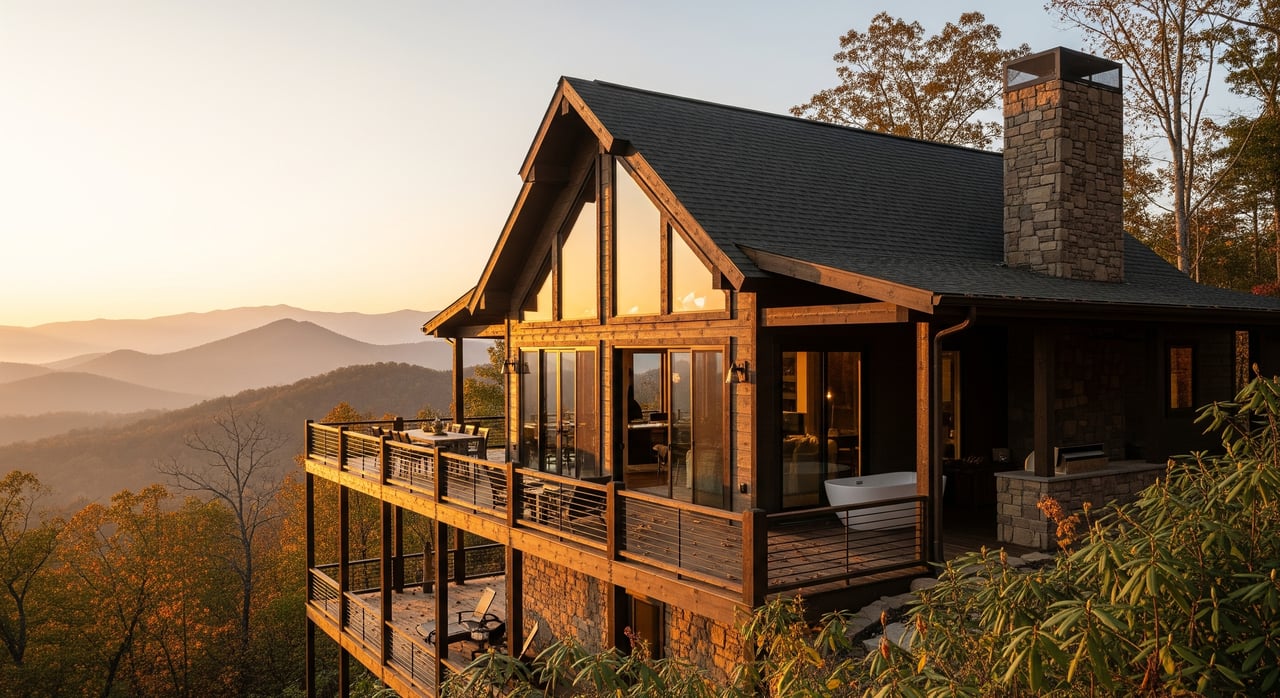
- Fall leaf season (September to November): Weekend and holiday spikes, especially in October for peak color. Cabins with views outperform.
- Winter holiday peaks (late November to early January): Short, high-yield windows around Thanksgiving and Christmas to New Year’s, with Winterfest events adding lift.
- Shoulder seasons (March to May, late fall after Thanksgiving): Variable but improving demand, often aided by promotions and midweek discounts.
- Off-peak winter (January to February): Lowest occupancy and ADR. Plan for cashflow sensitivity and use this time for maintenance and refreshes.
For local context on visitation and events, review the Great Smoky Mountains National Park page at the National Park Service and the Visit Sevierville event calendar. You can explore park information and overall visitation trends on the National Park Service’s page for Great Smoky Mountains National Park, and see seasonal events on the Visit Sevierville site.
What this means for your numbers
Seasonality affects not just when you get bookings, but the rates and stay patterns you can expect. To understand revenue swings, track the following at a monthly and weekly level.
- Occupancy rate: Booked nights as a percentage of available nights, split by weekdays and weekends.
- Average Daily Rate (ADR): Your average nightly rate by month.
- RevPAR: ADR multiplied by occupancy, your best quick view of revenue per available night.
- Booking lead time and cancellations: How far ahead people book, and how often they cancel.
- Length of stay: Weekend stays versus longer bookings, which shifts with season.
Model cashflow using the weakest months so you avoid surprises. A simple approach is to stress-test with conservative occupancy, such as the 20th percentile months, then compare to peak-month projections to see if your reserves and pricing plan can handle the gap.
Data you should pull and how to use it
You want a clear, property-specific picture rather than averages. Here is a practical approach.
- Request trailing 12 months of data from the current owner or manager, including platform statements, occupancy, ADR, and calendar exports.
- Build a month-by-month model that charts occupancy, ADR, and RevPAR to reveal troughs and spikes.
- Benchmark a comparable set of 3 to 6 similar cabins by size, amenity set, and location using market analytics like AirDNA.
- Correlate demand with events and park trends using the Visit Sevierville calendar and the National Park Service page for Great Smoky Mountains National Park.
- Check lead times and gaps on public calendars and reviews to understand when revenue is likely to lock in and where promotions can help.
If you plan to use dynamic pricing, preview seasonality settings and market insights within tools like PriceLabs or Wheelhouse, then compare their guidance to your T12 actuals.
Amenities that blunt the slow season
The right features can reduce seasonality and attract longer or off-peak stays.
- Hot tub and fireplace: Boost winter and shoulder appeal.
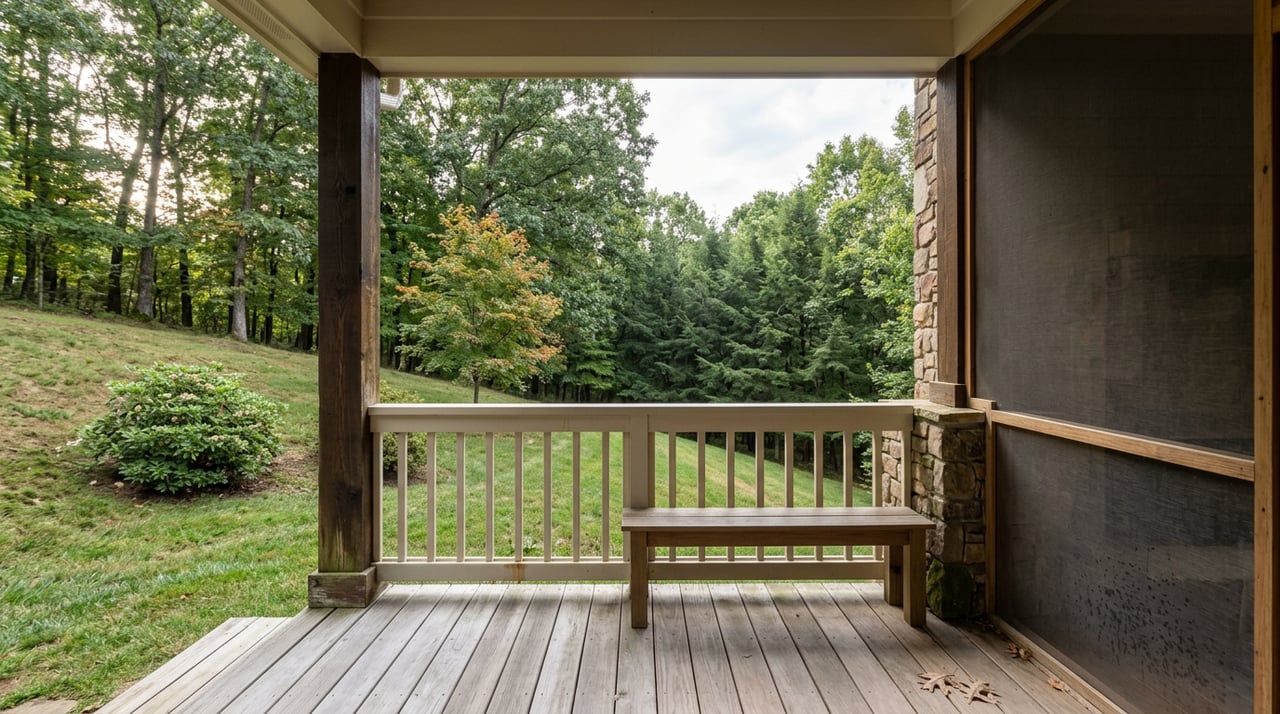
- Scenic views and outdoor spaces: Elevate fall and year-round demand.
- Game room or flexible sleeping: Improve family and group bookings.
- Pet-friendly policies: Expand your guest pool and improve off-season occupancy.
- Parking and practical storage: Covered parking and mudroom areas support hikers and winter visitors.
Pair amenities with smart settings. Consider 2 to 3 night minimums on peak weekends and longer minimums for high-maintenance properties. Align turnover planning with your minimum-night strategy.
Pricing and calendar strategies that work
A good revenue plan captures peak rates while keeping you competitive during slower months.
- Dynamic pricing: Use tools like PriceLabs or Wheelhouse to adjust rates based on demand, events, and pacing.
- Minimum-night rules: Lengthen minimum stays in high-turnover periods to control cleaning costs, but allow shorter stays where weekend demand is strong.
- Off-season promotions: Offer midweek discounts, extended-stay rates, or packages tied to local experiences.
- Early event pricing: Load holiday and event pricing well in advance once you have verified the local calendar.
Budgeting for seasonal operations
Expenses rise and fall with occupancy. Plan ahead so peak revenue does not get eaten by avoidable costs.
- Turnover and cleaning: Budget for heavier summer and holiday turnover. Confirm vendor capacity before peak months.
- Utilities and systems: Heating and cooling will spike. Stay on top of water, septic, and hot tub maintenance when occupancy is high.
- Maintenance and repairs: Schedule deep cleans and major fixes in off-peak winter.
- Property management fees: Full-service managers often charge 20 to 35 percent of booking revenue. Align your fee choice with your availability and desired involvement.
- Insurance and liability: Verify STR-specific coverage. Higher occupancy can increase risk exposure.
Keep larger operating reserves than a long-term rental. Include platform fees and taxes in your net projections to avoid overstating cashflow.
Rules, taxes, and financing to verify
Short-term rentals are regulated at multiple levels. Always confirm current requirements with official sources before you buy or convert a property.
- Local rules and licensing: Check registration or permit needs, safety or inspection requirements, zoning, and occupancy limits. Use the official Sevier County Government site as a starting point, and contact the appropriate city or county office for updates.
- Taxes: Expect state sales tax and local occupancy taxes. Review guidance with the Tennessee Department of Revenue and confirm whether platforms collect and remit any portion on your behalf.
- HOAs and deed restrictions: Some buildings or subdivisions limit STRs or impose minimum stays.
- Financing and underwriting: Lenders often underwrite with trailing 12 months or conservative pro formas. Start conversations early, prepare calendarized revenue, and consider higher down payments if needed. For federal tax concepts related to rental property, review IRS Publication 527 and consult a CPA for STR-specific guidance.
Also check hazard and flood risk, which can influence insurance costs and guest confidence. Use the FEMA Map Service Center to see if a parcel sits in a designated flood zone.
Buyer due diligence checklist
- Obtain 12 months of platform statements, revenue, occupancy, ADR, and calendar exports from the seller or manager.
- Build a month-by-month model and identify weakest months for stress-testing.
- Confirm city and county STR rules, business license steps, and tax registrations using Sevier County Government and the Tennessee Department of Revenue.
- Review local event calendars at Visit Sevierville and cross-check seasonal visitation with Great Smoky Mountains National Park.
- Inspect amenities that drive off-season demand, such as hot tub, fireplace, views, parking, and heating or insulation quality.
- Get quotes for STR-specific property and liability insurance and confirm required endorsements.
- Interview 2 to 3 local property managers about fees, capacity during peak weeks, and typical guest profiles.
- Pull FEMA flood maps at the FEMA Map Service Center and review any lender requirements.
- Speak with lenders and a CPA early. Bring a calendarized revenue model that reflects seasonality.
- Read guest reviews on listing platforms to surface recurring issues and season-specific complaints.
Local calendars to watch
Keep a living calendar of peak and shoulder periods so you can plan pricing and minimums ahead of time.
- Visit Sevierville: Events, festivals, and seasonal promotions.
- Great Smoky Mountains National Park: Park info and visitation context.
- Sevier County Government: County resources and public notices that can affect operations.
Ready to evaluate a Sevierville STR?
If you want a clear, conservative plan for seasonality, we can help you gather the right data, model cashflow month by month, and align pricing and amenities with how guests actually book in Sevier County. For a discreet, concierge consultation, connect with April Blankinship.
FAQs
What months deliver the highest STR revenue in Sevierville?
- Summer months and October usually lead, with short but strong holiday weeks around Thanksgiving and Christmas to New Year’s.
How should I forecast a Sevierville cabin’s cashflow?
- Use trailing 12 months of actuals when available, then stress-test with conservative off-season occupancy and compare to peak-month projections.
Which amenities help reduce off-season slowdowns?
- Hot tubs, fireplaces, scenic views, game rooms, flexible sleeping, pet-friendly policies, and covered parking boost winter and shoulder demand.
What local rules and taxes apply to Sevierville STRs?
- Verify permits or registration with Sevier County Government and review tax guidance with the Tennessee Department of Revenue.
How do lenders view seasonal STR income for loans?
- Many lenders rely on trailing 12 months or discounted pro formas, so bring calendarized revenue and consider a higher down payment to strengthen your file.