Dreaming of a private ridge, pasture, or timber tract near Livingston, Tennessee? Buying land is exciting, but it is very different from buying a house. You will make decisions about access, utilities, soils, permits, and title details that directly affect what you can build and how much it will cost. This guide gives you a clear, local checklist so you can move forward with confidence and avoid costly surprises. Let’s dive in.
Why Livingston and Overton County land stands out
Livingston serves as the Overton County seat on the Highland Rim and Cumberland Plateau. That setting means rolling hills, mixed hardwoods, and plenty of rural acreage. The key regulatory point for you: Overton County states that county zoning and county building permits do not apply in unincorporated areas outside the Livingston city limits. If your parcel is inside the city, the town may have separate codes and permitting. You can verify the county’s position on zoning and permits on the county’s official guidance for permits and zoning.
Learn more about county rules in the Overton County permits and zoning guidance at the county website: Overton County permits and zoning basics.
Verify access and recorded rights first
Legal, reliable access is step one. Lenders and insurers often require public road frontage or a properly recorded easement. Do not assume the gravel drive you see on the map is yours to use. Pull the deed and plat, and confirm any rights of way and road maintenance obligations in writing.
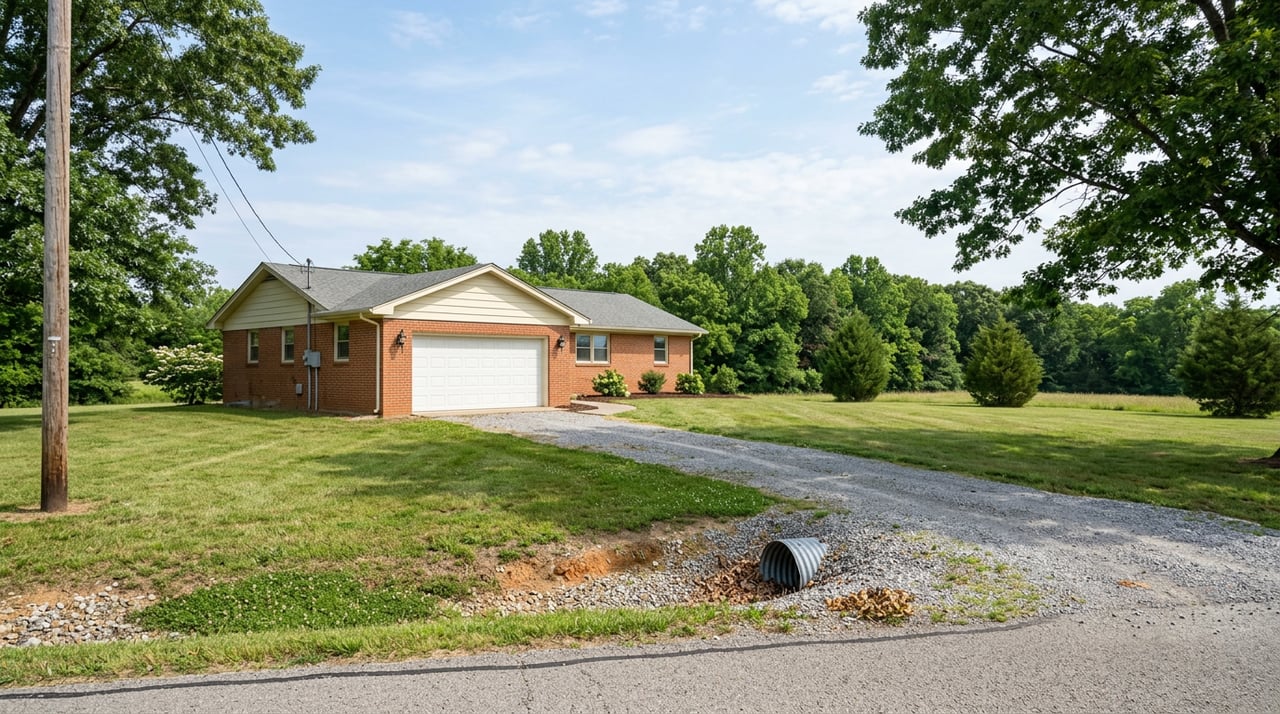
If your driveway connects to a state route, Tennessee requires a highway entrance permit. The permit process can also require sightline work, culverts, or other safety items, so build that into your plan and timeline.
- Check deed records and plats at the Register of Deeds: Overton County Register of Deeds directory listing
- If access touches a state route, review the TDOT entrance requirements: Tennessee highway entrance permits
Quick access checklist
- Confirm public road frontage or a recorded easement that reaches the build site.
- Identify who maintains the road or easement, and whether there are cost‑sharing obligations.
- If you need a new driveway on a state route, allow time for the TDOT entrance permit.
- If using a private road, confirm any HOA or shared road agreement details.
Plan utilities early: water, septic, power
Many rural tracts near Livingston use private wells. Tennessee sets well construction and driller licensing standards, and it is smart to test well water quality as part of your due diligence. If a parcel is inside the city or near a utility district, ask about municipal water availability and connection fees before you buy.
- Well standards and testing guidance: Tennessee well water resources
For wastewater, you will likely need a septic system. An approved septic permit is generally required before you place an occupied home on a parcel. A soils evaluation or percolation test will determine what type of system can be installed and where it can go. Start this early if you plan to finance or build soon after closing.
- Septic permitting overview: Tennessee water permits and onsite sewage info
Power and internet vary by location and provider. Identify the serving electric utility, the nearest line, and any line‑extension costs. Ask the listing agent and verify with the utility before you set a budget.
Utility checklist
- Ask for existing well logs, water tests, and septic permits. Require passing results when needed for financing.
- Confirm the serving electric provider and any line‑extension costs.
- If inside city limits, verify rules for water and sewer connections with City Hall.
Read the land: soils and slopes
Soils and topography drive cost and design. Local soil series on the Highland Rim can include perched water tables, fragipans, or shallow bedrock. These conditions may limit conventional septic systems and can increase foundation or driveway costs. Use the NRCS Web Soil Survey for a first look, then follow up with on‑site testing by a qualified professional.
- Start with the NRCS soil mapping resources referenced here: NRCS Web Soil Survey info
What to look for:
- Slope classes and drainage patterns that affect excavation and erosion control.
- Soil limitations that might require an engineered septic system.
- Buildable pads that minimize cut and fill, especially on wooded or sloped acreage.
Floodplain, streams, and environmental red flags
Check FEMA flood maps early. Flood zone designations affect insurability, lender requirements, and where you can build. Parcels with streams, springs, or wet areas may need wetland assessments or stream buffer permits. If a map or site walk suggests wetlands or flood risk, plan for specialist evaluations.
- Look up flood zones: FEMA National Flood Hazard Layer
Title, covenants, and mineral or timber rights
Order a title commitment and read it carefully. You want to know about recorded easements, utility rights of way, private covenants, or use restrictions before you close. Ask your title company to trace mineral or timber reservations in older deeds, since those rights may have been separated from the surface estate in the past.
- Helpful background on mineral ownership: Who owns the minerals under your land
Key steps:
- Confirm whether mineral and timber rights convey, or negotiate to include them if needed.
- Ask for copies of any road, utility, or pipeline easements that cross the property.
- If the report is unclear on minerals, consider a specialized title opinion.
Taxes, greenbelt, and conservation options
Some acreage may be assessed under Tennessee’s greenbelt or use‑value appraisal programs. This can lower annual property taxes, but changing the use of the land can trigger rollback taxes. Verify the current status with the County Assessor and ask how a sale or change in use would affect you. If conservation is part of your plan, talk with a regional land trust early to understand incentives and restrictions.
- Check current assessment and greenbelt status: Overton County Property Assessor
How land deals differ from buying a house
Financing raw or lightly improved acreage is not the same as getting a mortgage on a home. Land loans typically require larger down payments, higher rates, and shorter terms. Some buyers use seller financing or portfolio lenders. Speak with lenders who handle land so you know their requirements and timelines.
- What to expect with land loans: How to get a land loan
Surveys are often required for vacant land. Order a boundary survey early, and an ALTA/NSPS survey for larger or commercial tracts. Plan extra time for septic permitting, driveway permits on state routes, utility extensions, and any geotechnical or environmental reviews.
Step‑by‑step offer checklist for Livingston acreage
Confirm legal access. Verify public frontage or a recorded easement, and document who maintains the road or drive.
Pull deed and plat records. Identify any recorded easements, covenants, or restrictions that affect use or value.
Screen for flood risk and soils. Check FEMA flood maps, review NRCS soils, then schedule a site walk.
Verify water and septic. Get well logs and water tests, confirm septic permits, and plan soils or perc testing if needed.
Price utilities. Identify the electric provider, nearest line, and any extension costs. Ask about internet options.
Map buildable areas. Consider slope, access to sun and wind, and the location of septic fields and driveways.
Order surveys and specialist reports. Boundary survey, ALTA if applicable, septic design, geotechnical, or wetlands as indicated.
Review title and minerals. Require a clear title commitment and written clarity on mineral and timber rights.
Check taxes and greenbelt. Confirm current assessment and any potential rollback exposure with the assessor.
Align financing with timing. Secure land‑loan prequalification and ask your lender what permits or tests they require before closing.
Partner with a land‑focused local team
Buying acreage near Livingston rewards careful planning. When you coordinate access rights, utilities, soils, permitting, title, and financing up front, you reduce risk and protect your budget. If you want a steady guide who can help you vet parcels, organize due diligence, and negotiate with confidence, connect with April Blankinship. Our team brings discreet, concierge‑level service and hands‑on land expertise across East and Middle Tennessee.
FAQs
What zoning rules apply to land outside Livingston city limits in Overton County?
- Overton County states that county zoning and county building permits do not apply in unincorporated areas, but parcels inside Livingston city limits may have separate city rules, so always verify location and contact City Hall for in‑city requirements.
How do you verify legal access to a rural Overton County acreage parcel?
- Confirm public road frontage or a recorded easement in the deed and plat, identify who maintains the road or easement, and, if access involves a state route, plan for a TDOT entrance permit before construction.
What permits are needed for wells and septic near Livingston, Tennessee?
- Tennessee regulates well construction and onsite sewage at the state level; you should test private well water and secure septic approval before placing an occupied building, since lenders often require proof these systems are viable.
How do flood zones affect building on acreage in Overton County?
- FEMA flood zone designations can limit where you build, impact insurance costs, and trigger lender requirements, so check FEMA’s maps early and plan site design around any floodplains or stream buffers.
What financing options exist for buying raw land near Livingston, TN?
- Land loans typically have higher down payments, shorter terms, and higher rates than home loans; many buyers use portfolio lenders or seller financing, so talk with land‑savvy lenders early to match loan requirements with your due‑diligence timeline.