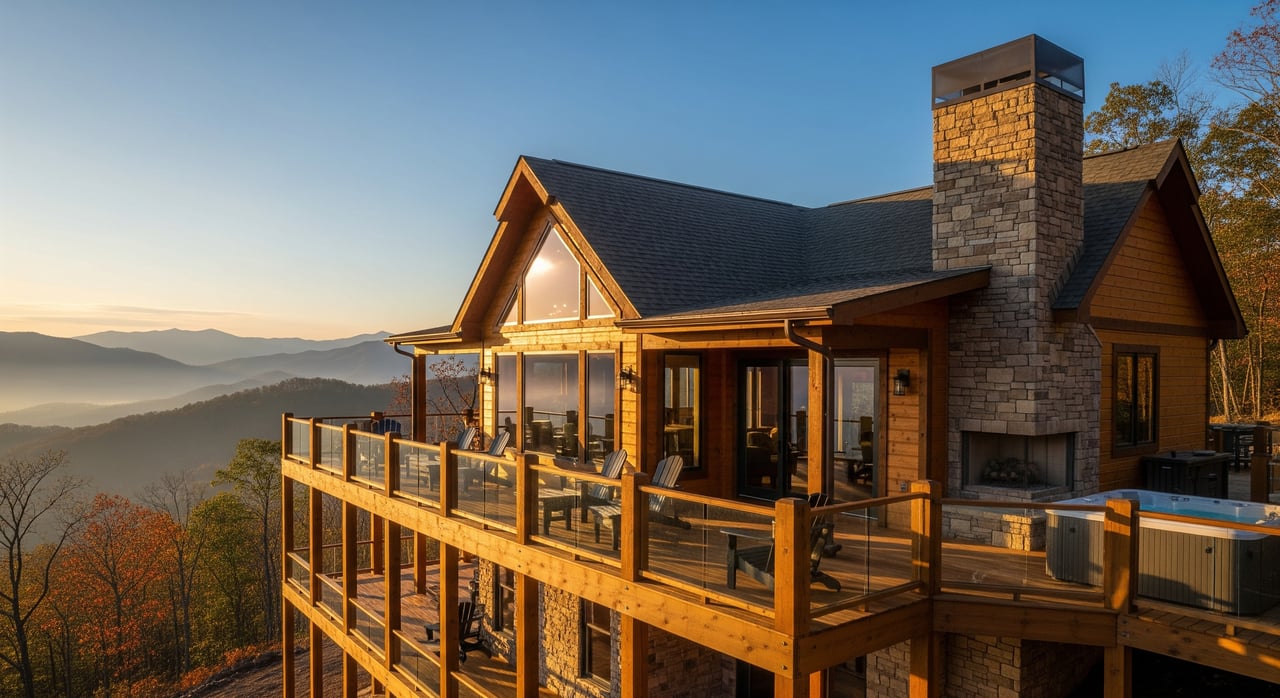
Thinking about a Smoky Mountains getaway you can call your own? Buying a cabin in Sevierville can be a smart move for lifestyle, rental income, or both. The key is a clear plan tailored to mountain properties and local rules. This practical checklist walks you through what to check, who to call, and how to protect your investment from offer to post-closing. Let’s dive in.
Clarify goals and location
Define your use case
- Primary residence: Plan for year-round access, reliable utilities, and service providers.
- Second home: Focus on ease of maintenance, seasonal access, and insurance needs.
- Short-term rental (STR) or investment: Verify STR legality and taxes, analyze rental history, and plan for guest-ready utilities and internet.
- Raw land to build: Budget for surveys, perc/soil testing, and road or driveway permitting.
Understand Sevierville market dynamics
- Proximity to tourist centers and park access tends to command premiums.
- Elevation, road type, and seasonal conditions impact livability and costs.
- Unique, remote cabins can be harder to appraise due to limited comparable sales.
Pre-offer checklist: documents and questions
Request early from the seller
- Seller property disclosure, including water intrusion, roof and repair history.
- If STR, rental history, gross revenue, occupancy trends, and copies of lodging tax filings.
- Any existing booking or management contracts and terms.
Title, survey and recorded items
- Current deed and title chain, including easements and covenants.
- Latest certified boundary survey that shows structures, well, septic, and setbacks.
- Any recorded conservation or timber easements.
Utilities and services
- Water source and documentation: municipal availability or well log, depth, and test results.
- Sewage: municipal service or septic permit, installation date, maintenance records, and last pump date.
- Electric provider and whether lines are overhead or buried; note any extension costs.
- Internet and phone: confirm broadband, fixed wireless, or cellular viability at the address.
Access and roads
- Road ownership and maintenance: county or state maintained vs. private.
- If private, obtain a written road maintenance agreement and contribution obligations.
- Driveway grade, switchbacks, winter access, and emergency vehicle access.
Community rules and taxes
- HOA or POA rules, CCRs, architectural guidelines, fees, and any rental restrictions.
- Current property tax bill, any special assessments, and tax history.
Inspections for mountain cabins
Core inspections to schedule
- General home inspection focused on foundation, roof, framing, drainage, and moisture.
- Chimney and wood-burning appliance inspection.
- Deck and porch inspection for load capacity and footings.
- Termite and pest inspection for wood-destroying organisms.
- Electrical and HVAC inspections, especially for older systems or propane heat.
- Septic inspection and dye test per local health requirements.
- Well water testing for bacteria, nitrates, hardness, and metals as applicable.
- Radon testing as part of real estate due diligence.
Environmental and natural hazards
- Flood risk via FEMA flood maps and local floodplain review. Lenders may require flood insurance in Special Flood Hazard Areas.
- Slope stability, erosion, and geotechnical considerations for steep lots.
- Proximity to waterways that could affect setbacks and septic placement.
- Wildfire risk, vegetation management needs, and access for firefighting.
Zoning, STR rules and permits
Know your jurisdiction
- Inside Sevierville city limits: contact Planning and Codes for zoning, permitted uses, and building permits.
- Unincorporated Sevier County: contact County Planning and Codes for zoning, plats, and permits.
Short-term rental compliance
- STR rules vary across municipalities and subdivisions. Confirm if you need a business license or STR registration, and review occupancy, parking, and noise ordinances.
- Verify safety requirements such as GFCI protection, smoke detectors, and exit signage if required.
- Confirm state and local lodging tax registration and collection procedures.
Renovations and new construction
- Building permits, septic permits through the Sevier County Health Department, and erosion control measures may be required.
- If connecting a new driveway to a state road, confirm permit needs with the appropriate transportation authority.
- For additions, confirm setback limits, septic capacity for added bedrooms, and any tree or clearing rules.
Financing and appraisal realities
Loan classification matters
- Primary residence loans may offer favorable terms but require owner occupancy.
- Second-home loans generally allow lower down payments than investment loans and may require distance from your primary home.
- Investment property loans often require higher down payments, higher rates, and may underwrite rental income when available.
- Lot and construction loans have different standards, often requiring a successful perc test and septic design.
Appraisal considerations
- Expect conservative valuations for unique cabins with limited comps.
- Lenders may request additional comparables or adjust loan-to-value based on appraisal findings.
Insurance and operating costs
Coverage to price and confirm
- Homeowners insurance that addresses wind, hail, fallen trees, and mountain exposures.
- Flood insurance if in a flood zone or near waterways; lenders may require it.
- Wildfire and wind or hail coverage limits and deductibles.
- STR-specific or commercial rental coverage if you plan to host guests, including guest liability and potential loss-of-income coverage.
- Consider umbrella liability coverage for higher traffic and guest exposure.
Budget for ownership
- Plan for staining and exterior wood care, roof and deck upkeep, pest control, driveway maintenance, and winterization.
- Maintain a reserve fund for ongoing maintenance and unexpected repairs.
Step-by-step buying timeline
Pre-offer
- Verify zoning, STR rules, and HOA restrictions in writing.
- Request seller disclosures, rental history, utility information, and septic or well records.
- Ask for the most recent survey or include a survey contingency if none exists.
- Call utility providers about potential extensions and internet providers about service options.
Offer and contract
- Include contingencies for general inspection, septic and well evaluations, appraisal, and clear title.
- For raw land, include contingencies for perc or soil testing and any driveway or road permits.
During inspection and escrow
- Order specialty inspections: septic, well, chimney, pest, and radon.
- Conduct a title search and review easements, covenants, and restrictions.
- Obtain insurance quotes for homeowners, flood, and STR coverage.
- Confirm property tax amounts and any outstanding assessments.
Closing
- Review and acknowledge all HOA or POA documents.
- Confirm lodging tax registration steps if planning STR use.
- Verify access rights and obtain road maintenance agreements in writing.
Post-closing
- Secure any required business licenses and register for sales and lodging taxes if renting.
- Update insurance to reflect actual use (primary, second home, or STR).
- Prepare the property for guests with safety devices, hazard mitigation, and clear instructions.
Local contacts and records to pull
- City of Sevierville Planning and Codes for zoning, permits, and code enforcement (inside city limits).
- Sevier County Planning and Codes for unincorporated areas, zoning, subdivision plats, and road permits.
- Sevier County Health Department for septic permits and well testing guidance.
- Sevier County Property Assessor and Trustee for tax data, parcel maps, and payment history.
- Sevier County Register of Deeds for recorded deeds, easements, covenants, and plats.
- FEMA Flood Map Service Center and the local floodplain administrator for official flood determinations.
- Local electric cooperatives and TVA for utility availability and line extension costs.
- Tennessee Department of Environment and Conservation for environmental and well or septic guidance.
- Local STR managers and tourism offices for performance data and seasonality trends.
- Local lenders and mortgage brokers experienced with Sevier County vacation properties.
- Qualified local inspectors for septic, well, chimney, structural, and geotechnical needs.
- A title company or real estate attorney familiar with Sevier County practice.
Common mistakes to avoid
- Not confirming STR legality and lodging tax procedures before you buy.
- Overlooking private road obligations or lacking a written maintenance agreement.
- Assuming high-speed internet is available without address-level verification.
- Skipping septic inspections or relying on outdated permits.
- Underestimating maintenance for wood exteriors, decks, and steep driveways.
- Ignoring flood, slope, or wildfire exposure when pricing insurance and reserves.
Buying a mountain cabin should feel exciting, not overwhelming. If you want a clear path from search to closing with local expertise and a concierge approach, connect with April Blankinship for a confidential consultation and next steps tailored to your goals.
FAQs
Can I use an FHA or VA loan to buy a Sevierville cabin?
- FHA and VA loans are for primary residences. If you will occupy the cabin as your primary home, you may qualify. For second homes or STRs, conventional or investor loans are more common.
Are short-term rentals allowed in Sevierville or Sevier County?
- Rules vary by city, county, and subdivision. Verify with the relevant planning department and review HOA or POA documents, then confirm tax registration and collection requirements.
Which inspections are most important for Smoky Mountain cabins?
- Prioritize a general home inspection, septic inspection, well testing, termite or pest inspection, chimney and wood-burning appliance inspection, and electrical and HVAC evaluations, plus radon testing.
Is internet reliable enough for STR guests or remote work?
- Connectivity varies widely in mountain areas. Confirm broadband, fixed wireless, or cellular coverage at the specific address before you commit if reliable internet is essential.
What hazards are unique to Sevier County cabins?
- Seasonal snow and ice on steep drives, slope stability and erosion on steep lots, flood risk near creeks, moisture and mold potential, pest activity, wildfire exposure, and evacuation constraints on wooded parcels.
Do I need a survey for a Sevierville cabin purchase?
- Yes. A current boundary survey helps confirm access, setbacks, the location of septic and well systems, and any encroachments, which is vital for rural or mountain properties.